
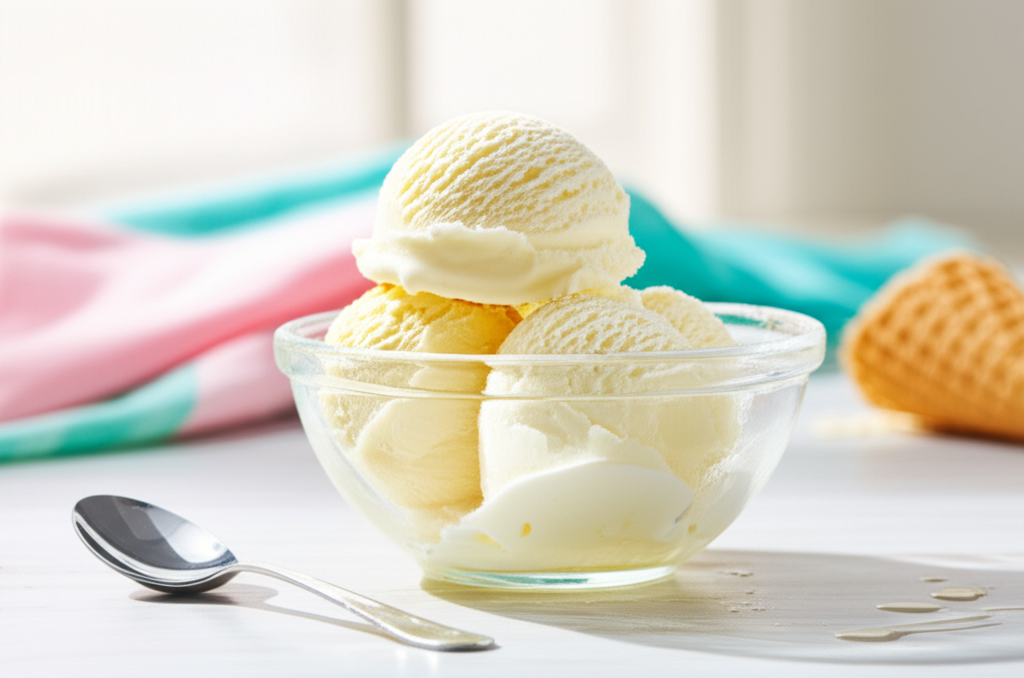
Ice cream melts because its ingredients, primarily water and fat, change from a solid to a liquid state when they absorb enough heat from their surroundings. This happens because the molecules gain energy, break free from their rigid structure, and start to move around more freely.
Ever pulled a perfect scoop of ice cream from the freezer, only to watch it turn into a soupy puddle faster than you can say “sprinkles”? It’s a common, frustrating experience for any ice cream lover! But don’t worry, the science behind why ice cream melts is actually pretty fascinating and surprisingly simple. Understanding this process can even help you keep your frozen treats firmer for longer. Get ready to unlock the sweet secrets of your favorite dessert, and by the end of this guide, you’ll be a pro at keeping your ice cream just right!
Why Does Ice Cream Melt? The Sweet Science Explained
Let’s dive into the delicious details of why our beloved ice cream transforms from a solid delight into a creamy liquid. It all comes down to a few key players: water, fat, sugar, and temperature.
The Role of Water: The Main Ingredient
Ice cream is mostly made of water, just like a big, tasty ice cube! When you freeze ice cream, most of that water turns into tiny ice crystals. These crystals give ice cream its solid structure. But here’s the catch: ice crystals don’t stay frozen forever. They’re constantly trying to grow and merge, especially if the temperature isn’t super stable.
When ice cream absorbs heat from the air, your hands, or even the freezer door opening, those ice crystals start to melt. They turn back into liquid water. The more heat they absorb, the more ice crystals melt, and the faster your ice cream becomes a puddle.
Fat: The Creamy Protector
Fat, usually from cream and milk, plays a super important role in ice cream. It doesn’t freeze solid like water. Instead, it stays somewhat soft and helps to coat the ice crystals. This coating actually slows down the melting process a little. Think of fat as a tiny blanket for the ice crystals, keeping them from melting too quickly. Higher fat content often means a more stable ice cream that melts a bit slower.
Sugar: The Sweet Science of Lowering the Freezing Point
Sugar is one of the most magical ingredients in ice cream, and it does more than just make it sweet! Sugar is a “freezing point depressant.” This means it actually lowers the temperature at which water freezes. So, even when your ice cream is in the freezer, not all the water is frozen solid. Some of it remains liquid, thanks to the sugar. This is crucial for ice cream’s texture, making it scoopable and creamy, not a solid block of ice. However, it also means that ice cream can start to melt at temperatures slightly above 0°C (32°F), especially if it has a lot of sugar.
You can see this effect clearly when you compare plain ice water to a sugary syrup. The sugary syrup will stay liquid at a lower temperature than plain water. For more on how freezing point depression works, check out this explanation from LibreTexts Chemistry.
Air: The Fluffy Factor
Believe it or not, air is a key ingredient in ice cream! During the churning process, air is whipped into the mixture. This trapped air makes ice cream lighter, fluffier, and easier to scoop. It also helps to insulate the ice cream, slowing down the melting process a little. Ice creams with more air (often called “overrun”) tend to be softer and melt faster than denser, premium ice creams with less air.
The Melting Process: A Change of State
Melting is a physical change where a substance goes from a solid to a liquid. For ice cream, this happens when the molecules within it gain enough energy (heat) to overcome the forces holding them in a fixed, solid structure. The ice crystals, made of water molecules, start to vibrate more intensely as they absorb heat. Eventually, they break free from their rigid arrangement and begin to flow past each other, turning into liquid water. The fat and sugar also transition, becoming softer and more fluid.
Factors Affecting How Fast Ice Cream Melts

Not all ice cream melts at the same speed. Several factors influence how quickly your frozen treat succumbs to the warmth.
Temperature Fluctuations
This is the biggest culprit! Every time you open the freezer door, warm air rushes in. This warmth transfers to your ice cream, causing some of the ice crystals to melt. When you close the door, the freezer cools down again, refreezing some of that liquid. But this refreezing can create larger, icier crystals, affecting texture and making the ice cream more prone to melting next time. A stable freezer temperature is your best friend for delicious, well-preserved ice cream.
Fat Content
As we discussed, fat acts like a protective barrier. Higher fat content generally means a slower melt. Commercial ice creams often have stabilizers and emulsifiers added, which also help to create a smoother texture and slow down melting by keeping the fat and water mixed together properly.
Sugar Content
More sugar means a lower freezing point, which can make ice cream softer and melt faster at warmer temperatures. However, too much sugar can make it too hard to scoop! Finding the right balance is key for both flavor and texture.
Add-ins and Inclusions
Things like chocolate chips, cookie dough chunks, or fruit pieces can affect melting. They can create small pockets that trap heat or moisture, sometimes accelerating the melt in their immediate vicinity. However, they also disrupt the ice crystal structure, which can, in some cases, slightly slow down the overall melt.
The Type of Ice Cream
There are different styles of ice cream, and they melt differently:
| Type of Ice Cream | Melting Behavior | Key Ingredients Affecting Melt |
|---|---|---|
| Philadelphia-style (No Eggs) | Melts relatively quickly, can become icier if not made well. | High water content, relies on churning for texture. |
| French-style (Custard Base, with Eggs) | Melts more slowly, richer and smoother. | Egg yolks add fat and emulsifiers, which stabilize the mixture. |
| Gelato | Denser and melts slower than American-style ice cream. | Lower fat content, less air incorporated, served at a slightly warmer temperature. |
| Sorbet | Melts very quickly, often becoming watery. | No fat, primarily water and sugar. |
| Premium Ice Cream | Melts slowly, very smooth and rich. | High fat content, lower overrun (less air), sometimes stabilizers. |
| Low-Fat/Light Ice Cream | Can melt faster and become icier due to less fat and often more stabilizers/thickeners. | Less fat, more reliance on other ingredients for texture. |
The Science of Keeping Ice Cream Frozen
Understanding melting science gives us the power to fight back! Here are some genius tips to keep your ice cream in its perfect, frozen state for as long as possible.
1. The Freezer is Your Friend: Keep it Cold and Stable
This might sound obvious, but it’s the most crucial step. Your freezer should be set to 0°F (-18°C) or colder. If your freezer door is constantly being opened, consider moving your ice cream to the back, where it’s coldest. Some people even dedicate a small, seldom-opened chest freezer just for ice cream!
2. Airtight Containers are Key
When storing ice cream, use a container that seals tightly. This prevents warm, moist air from getting in and cold, dry air from escaping. It also stops your ice cream from absorbing any freezer odors. A good quality freezer-safe container is a worthy investment for any ice cream enthusiast.
3. Wrap it Up for Extra Protection
For an extra layer of defense against freezer burn and melting, press a piece of parchment paper or plastic wrap directly onto the surface of the ice cream before putting the lid on. This creates a barrier that helps prevent ice crystals from forming on the surface and keeps the ice cream more uniformly cold.
4. Pre-Chill Your Scooper
The warmer your scooper, the faster it melts the ice cream it touches. Run your ice cream scoop under hot water for a few seconds before scooping. This helps it glide through the ice cream more easily and melts less of the surrounding product.
5. Serve Quickly and Return Promptly
Once ice cream is out of the freezer, it’s on borrowed time! Serve it up right away and, if you have leftovers, return them to the coldest part of your freezer as quickly as possible. Avoid leaving a tub of ice cream sitting out on the counter.
6. Consider the “Buffer” Method
If you’re having a party or serving a large crowd, consider keeping your ice cream in its original container inside a larger, insulated bowl or a cooler filled with ice. This creates a “buffer zone” that helps protect the ice cream from ambient room temperatures for a longer period.
7. Make it at Home (and Eat it Faster!)
Homemade ice cream often has less air and fewer stabilizers than store-bought versions, which can make it melt a bit faster. But the upside is incredible flavor and freshness! The best way to combat melting homemade ice cream is simply to enjoy it soon after it’s made. You can also experiment with your recipes to find the perfect balance of ingredients for your desired texture and melt rate.
The Science of Making Smooth Ice Cream (and Why It Affects Melting)
The process of making ice cream itself is a science experiment that directly impacts how it behaves when melting. The goal is to create as many tiny ice crystals as possible and surround them with a smooth matrix of fat, sugar, and other solids.
Churning: The Magic of Small Crystals
When you churn ice cream, you’re doing two main things:
- Freezing: You’re rapidly cooling the base mixture.
- Incorporating Air: You’re whipping air into it.
The faster you freeze and churn, the smaller the ice crystals will be. Smaller ice crystals lead to smoother ice cream. Larger ice crystals, which form when freezing is slow or inconsistent, result in grainy or icy ice cream. This is why using an ice cream maker is so beneficial!
For a fantastic guide on the churning process and how to get that perfect texture, Serious Eats has some excellent tips, even for no-churn methods.
The Role of Stabilizers and Emulsifiers
In commercial ice cream, and sometimes in homemade recipes, ingredients like egg yolks, guar gum, or xanthan gum are used. These are:
- Emulsifiers: Like egg yolks, they help fat and water mix smoothly and stay mixed. This prevents separation and contributes to a creamy texture.
- Stabilizers: Like gums, they help bind water molecules, preventing them from forming large ice crystals. They also thicken the mixture, which can slow down melting and improve texture, especially during temperature fluctuations.
These ingredients create a more stable structure that resists melting and maintains a smoother texture for longer. If your homemade ice cream tends to melt very quickly or becomes icy, you might be missing some of these key texture-enhancing components, or your freezing process wasn’t optimal.
FAQs: Your Ice Cream Melting Questions Answered
Got more questions about why ice cream melts? You’re not alone! Here are some common queries from fellow ice cream enthusiasts.
Q1: Why does my homemade ice cream melt so much faster than store-bought?
A: Store-bought ice creams often contain stabilizers and emulsifiers (like gums, egg yolks, or specific proteins) and are made with a higher “overrun,” meaning more air is whipped into them. These ingredients and processes create a more stable structure that resists melting and maintains a smoother texture longer. Homemade ice cream, especially when made with simple recipes, might have less of these components, leading to a quicker melt.
Q2: If ice cream is mostly water, why doesn’t it just freeze solid like a block of ice?
A: Sugar and other dissolved solids (like milk proteins and fats) in the ice cream mixture lower the freezing point of the water. This means that even at freezer temperatures, some of the water remains liquid, giving ice cream its characteristic soft, scoopable texture rather than a hard, icy consistency. The churning process also incorporates air, which further contributes to its texture.
Q3: Does the type of fat used affect how ice cream melts?
A: Yes! Fat doesn’t freeze solid like water. It stays somewhat pliable and coats the ice crystals, helping to slow down melting. Ice creams made with higher fat content (like heavy cream) tend to melt more slowly and have a richer, smoother texture compared to those made with lower fat content or non-dairy fats that might behave differently.
Q4: Can I prevent ice crystals from forming in my ice cream?
A: While you can’t eliminate ice crystals entirely (they are what make ice cream frozen!), you can minimize their size and prevent them from growing. This is achieved through rapid freezing during churning, incorporating enough fat and sugar to lower the freezing point, and storing ice cream in a consistently cold, airtight container. Minimizing temperature fluctuations in your freezer is also key.
Q5: What’s the ideal serving temperature for ice cream?
A: The ideal serving temperature for most ice cream is around 6°F to 10°F (-14°C to -12°C). This is slightly warmer than a typical freezer temperature (0°F or -18°C). Serving at this temperature allows the ice cream to be soft enough to scoop easily but still firm enough to hold its shape for a reasonable amount of time. Gelato is often served slightly warmer than traditional ice cream.
Q6: How does adding alcohol affect ice cream melting?
A: Adding alcohol to ice cream will make it melt faster. Alcohol also acts as a freezing point depressant, meaning it lowers the temperature at which water freezes. This results in a softer, more liquid-like consistency at typical freezer temperatures and accelerates the melting process when exposed to warmer environments.
Q7: Is it bad if my ice cream melts and refreezes?
A: Yes, it’s generally not ideal. When ice cream melts and refreezes, the small ice crystals that give it a smooth texture melt and then refreeze into larger, coarser ice crystals. This process is called “heat shock” and results in a less desirable, icier texture. It can also affect the flavor and overall quality of the ice cream.
Conclusion: Embrace the Melt, Master the Chill!
So there you have it! The next time your favorite ice cream starts to soften, you’ll know exactly why. It’s a beautiful dance between heat and cold, water and fat, sugar and ice. Ice cream melts because its fundamental components – primarily water – absorb enough heat from their surroundings to change from a frozen solid into a luscious liquid. Factors like fat content, sugar levels, air incorporated, and temperature stability all play a crucial role in how quickly this happens.
Don’t let the melting mystery get you down! By understanding the science, you can become a master of ice cream preservation. Keep your freezer cold, your containers airtight, and your scooper pre-chilled. And remember, a little melting is just a sign of a delicious, well-made treat. Embrace the creamy goodness, enjoy the process, and keep scooping those perfect, delightful moments. Happy ice cream making and enjoying!