

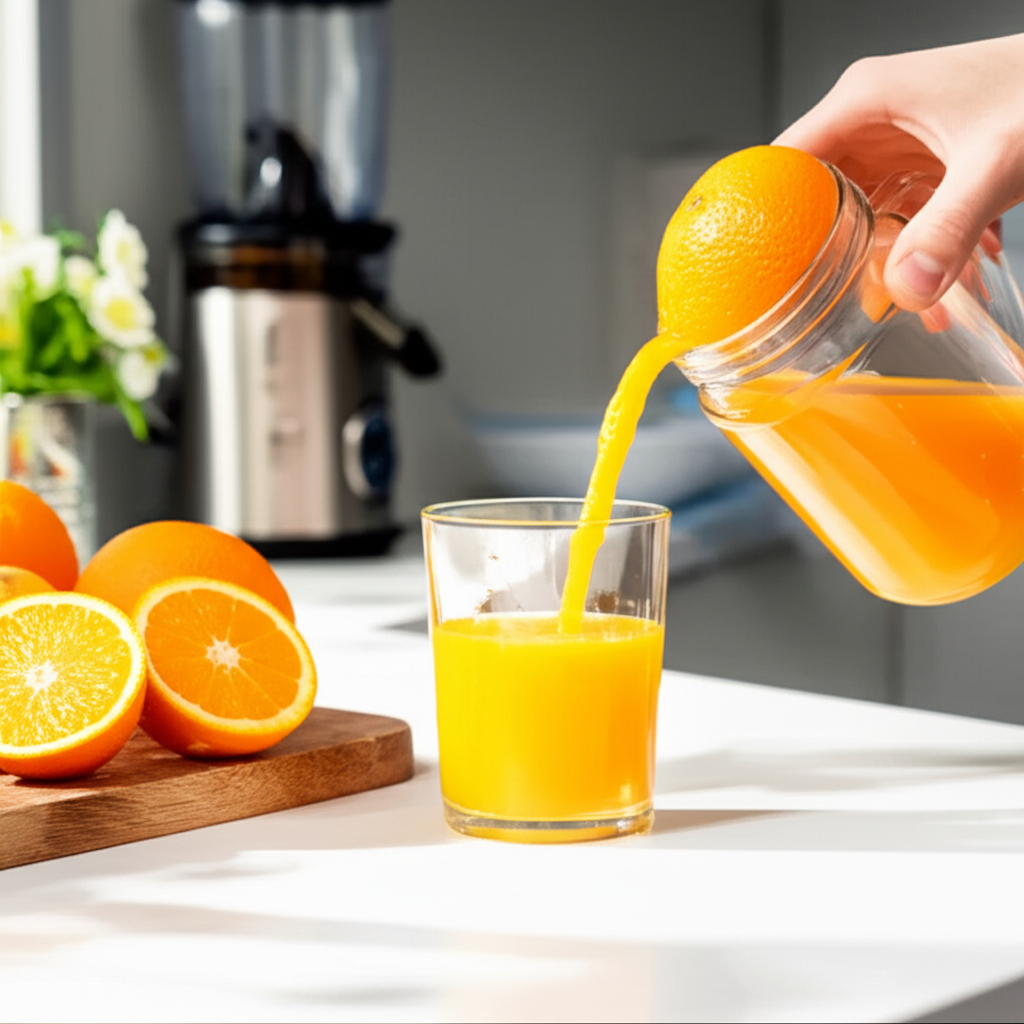
Quick Summary: Freshly squeezed or store-bought orange juice is typically good for 3-7 days after opening when refrigerated properly. Always check for signs of spoilage like mold, off-smells, or changes in taste and texture.
Hey there, juicing enthusiasts! Ever stare at that carton of delicious orange juice after a refreshing glass, wondering, “When will this go bad?” It’s a super common question, especially when you’re just starting your journey with fresh, vibrant juices. You want to enjoy that amazing citrus goodness without any worries, right? Knowing how long your juice stays fresh is key to avoiding waste and keeping yourself healthy. Don’t sweat it! We’re going to break down exactly what you need to know, step-by-step, so you can sip with confidence. Get ready to become an orange juice pro!
The Shelf Life of Your Orange Juice: What You Need to Know
Orange juice, that sunshine-in-a-glass, is a fantastic way to boost your vitamin C intake and add a burst of flavor to your day. But once that seal is broken, the clock starts ticking. Understanding its shelf life is crucial for enjoying its best taste and safety. Let’s dive into the details so you can make the most of every drop!
Store-Bought vs. Freshly Squeezed: The Key Differences
When we talk about orange juice, there are generally two main types you’ll encounter: the kind you buy from the grocery store, and the kind you whip up yourself with a juicer. They have different shelf lives because of how they’re processed and what preservatives, if any, are used.
Store-Bought Orange Juice
This is the juice you’ll find in cartons or jugs in the refrigerated section of your supermarket. It’s often pasteurized, a process that heats the juice to kill harmful bacteria and extend its shelf life. This is why it usually has a longer shelf life before opening.
- Pasteurized (Not From Concentrate): This type of juice is typically good for about 7-10 days after opening.
- Pasteurized (From Concentrate): These can sometimes last a bit longer, up to 7-14 days after opening.
- Unpasteurized / “Fresh” Store-Bought: If you find juice labeled as unpasteurized or “freshly squeezed” at the grocery store (often in the deli or specialty section), it has a much shorter shelf life. Treat it more like freshly squeezed juice – aim to consume it within 2-3 days of opening.
The expiration date on the carton is a good starting point, but once opened, that date is no longer the primary guide. Proper storage is essential for maximizing its freshness.
Freshly Squeezed Orange Juice
This is the pure, unadulterated goodness you get straight from your juicer. Because it hasn’t undergone pasteurization, it contains more natural enzymes and nutrients, but it also means it’s more susceptible to spoilage. Freshly squeezed orange juice is best enjoyed immediately, but if you need to store it:
- General Guideline: Aim to consume freshly squeezed orange juice within 24-72 hours (1-3 days) of making it.
- Why the Shorter Timeframe? Without pasteurization, natural bacteria can start to grow more quickly, affecting the taste and safety.
For the absolute best flavor and nutrient profile, drink your homemade juice as soon as possible. If you do store it, make sure it’s in an airtight container in the coldest part of your refrigerator.
Factors Affecting Orange Juice Freshness
Several things can influence how long your orange juice stays good after you open it. Think of it like this: the more you protect it from things that cause spoilage, the longer it will last.
- Temperature: This is the biggest factor! Keeping your juice cold is paramount. The U.S. Department of Agriculture (USDA) recommends keeping refrigerated foods at or below 40°F (4°C). Warmer temperatures speed up the growth of bacteria and the degradation of nutrients and flavor.
- Exposure to Air: Every time you open the container, air gets in. Oxygen can cause oxidation, which degrades vitamins and changes the flavor. The more you open it, and the longer it’s left open, the faster it can spoil.
- Hygiene: Using clean utensils and ensuring the container opening is clean when you pour can prevent introducing new bacteria into the juice.
- Type of Orange: While not a huge factor for store-bought, the type of orange used for fresh juice can slightly affect its natural acidity, which can play a minor role in preservation.
- Added Ingredients: If your juice has other ingredients like pulp, sugar, or other fruits, these can sometimes alter the shelf life. For example, juices with added sugar might have a slightly different spoilage rate than pure orange juice.
How to Store Orange Juice for Maximum Freshness
Proper storage is your secret weapon against premature spoilage! It’s not complicated, and a few simple habits can make a big difference in keeping your orange juice tasting great and safe to drink.
The Golden Rule: Refrigeration
This is non-negotiable. Orange juice must be kept refrigerated at all times after opening. Don’t leave it sitting on the counter, even for a short while. The ideal temperature is between 32°F and 40°F (0°C and 4°C).
- Best Spot: The back of the refrigerator is usually the coldest and most consistent spot. The door is often the warmest due to frequent opening, so avoid storing juice there if possible.
Airtight is Right
Once you’ve poured your juice, make sure to reseal the container tightly. If you’re using the original carton or bottle, ensure the cap is screwed on securely. If you’ve transferred your homemade juice to another container, use one with a tight-fitting lid.
- For cartons: Roll down the top tightly or use a sturdy clip if the original seal is damaged.
- For bottles: Make sure the cap is fully tightened.
- For homemade juice: Use glass jars or BPA-free plastic containers with airtight lids.
Minimize Air Exposure
The less air that gets into your juice, the better. This is why a container that’s nearly full will last longer than one that’s almost empty.
- Smaller Containers: If you find yourself not finishing a large carton before it goes bad, consider buying smaller ones or transferring the juice into smaller, airtight containers as you use it. This reduces the amount of air in the container.
Cleanliness Counts
When pouring or transferring juice, especially homemade, ensure everything is clean. This means clean hands, clean glasses, and clean pouring spouts.
- Avoid Cross-Contamination: Never drink directly from the carton or bottle, as this can introduce bacteria from your mouth into the juice.
Signs Your Orange Juice Has Gone Bad
Even with the best storage, juices don’t last forever. Your senses are your best guide here. Before you take a sip, do a quick check. If you notice any of these signs, it’s time to pour it down the drain:
Visual Clues
- Mold: Any visible fuzzy or colored spots on the surface or sides of the container are a clear sign of spoilage.
- Cloudiness or Sediment: While some pulp is normal, an unusual cloudiness or a thick layer of sediment that wasn’t there before can indicate bacterial growth.
- Color Change: If the juice appears darker or has a murky tint that’s different from its usual appearance.
Olfactory Clues (Smell)
- Off Odors: Fresh orange juice smells bright and citrusy. If it smells sour, yeasty, fermented, or generally “off,” it’s best to discard it.
Gustatory Clues (Taste)
- Sour or Fermented Taste: This is the most obvious sign. If it tastes noticeably sour, bitter, or has an unpleasant tang, don’t drink it. Even a small sip can be enough to tell.
- Fizzing or Bubbling: If you open the container and it fizzes or bubbles, it’s a sign of fermentation, indicating spoilage.
Trust your instincts. If something seems off, it probably is. It’s always better to be safe than sorry when it comes to food and drinks.
How Long is Orange Juice Good For After Opened: A Quick Reference Table
To make things super easy, here’s a quick rundown of how long you can expect your orange juice to be good for after opening, assuming proper refrigeration:
| Type of Orange Juice | Recommended Shelf Life After Opening (Refrigerated) |
|---|---|
| Freshly Squeezed (Homemade) | 24-72 hours (1-3 days) |
| Store-Bought Pasteurized (Not From Concentrate) | 7-10 days |
| Store-Bottled Pasteurized (From Concentrate) | 7-14 days |
| Store-Bought Unpasteurized / “Fresh” | 2-3 days |
Remember, these are general guidelines. Always rely on your senses to check for spoilage, as individual conditions can vary.
Tips for Extending Your Orange Juice’s Life
Want to get even more enjoyment out of your orange juice? Here are a few extra tips to help keep it fresher for longer:
- Freeze it! If you have too much juice and can’t drink it before it spoils, freeze it! Pour it into ice cube trays, and once frozen, transfer the cubes to a freezer bag. You’ll have refreshing OJ popsicles or can add them to smoothies. Frozen juice can last for several months.
- Use a Dedicated Pitcher: If you pour your juice into a pitcher for easier access, make sure the pitcher is thoroughly cleaned each time you refill it.
- Don’t Mix Old and New: Never add fresh juice to a container that already has some juice in it, especially if the old juice has been open for a while. Always start with a clean container.
- Keep the Fridge Clean: A clean refrigerator helps prevent the spread of bacteria. Wipe down shelves and ensure there are no old, forgotten items that could contaminate other foods. The USDA’s guidance on refrigeration highlights how important consistent cold temperatures are.
Frequently Asked Questions About Orange Juice Freshness
Let’s tackle some common questions that pop up when you’re thinking about your OJ!
Q1: Can I drink orange juice if it’s a day past its “best by” date after opening?
A1: If it’s only a day or two past the recommended shelf life after opening, and there are no signs of spoilage (no mold, off smell, or weird taste), it’s likely still safe to drink. However, the quality and nutrient content might be slightly reduced. Always trust your senses!
Q2: Does the type of container matter for storing orange juice?
A2: Yes, the container material itself isn’t as critical as its ability to seal tightly and keep air out. Glass jars with airtight lids are excellent, as are the original plastic or carton containers, provided they are resealed properly. Avoid containers that don’t seal well.
Q3: What happens if I drink spoiled orange juice?
A3: Drinking spoiled orange juice can lead to foodborne illnesses like nausea, vomiting, diarrhea, and stomach cramps. The risk depends on the type of bacteria or mold present and how much you consume. It’s always best to err on the side of caution.
Q4: Is it safe to freeze orange juice in its original carton?
A4: It’s generally not recommended to freeze orange juice in its original carton, especially if it’s a cardboard or thin plastic container. As the liquid freezes, it expands, which can cause the carton to burst or leak. It’s better to transfer the juice to a freezer-safe container or bag before freezing.
Q5: Does pulp in orange juice affect how long it stays good?
A5: Pulp can sometimes provide more surface area for bacteria to grow, but the primary factor is still proper refrigeration and preventing air exposure. Generally, the difference in shelf life between pulped and pulp-free orange juice, when stored correctly, is minimal.
Q6: My fridge temperature fluctuates. How can I ensure my juice stays cold enough?
A6: Keep a refrigerator thermometer inside your fridge to monitor the temperature. Store your juice in the back, as it’s usually the coldest part. Avoid over-packing the fridge, which can block airflow and create warmer spots. If your fridge struggles to maintain a consistent temperature below 40°F (4°C), you might need to have it serviced or consider a more reliable appliance.
Conclusion: Sip Smart, Stay Healthy!
There you have it! Keeping your orange juice fresh and delicious after opening is all about understanding its needs and giving it the right care. Remember, whether it’s store-bought or freshly squeezed, proper refrigeration and airtight storage are your best friends. Always trust your eyes, nose, and taste buds to tell you if a juice is still good. By following these simple guidelines, you can enjoy the vibrant taste and health benefits of orange juice without worry, minimizing waste and maximizing your enjoyment. Happy juicing, and cheers to your healthy habits!